14

florence my love

The city of Florence in Tuscany was the most renowned medieval centre of Europe. Known for it’s wealth and the birth of Renaissance.
Until today it is considered one of the most influencial places for Art and Culture.
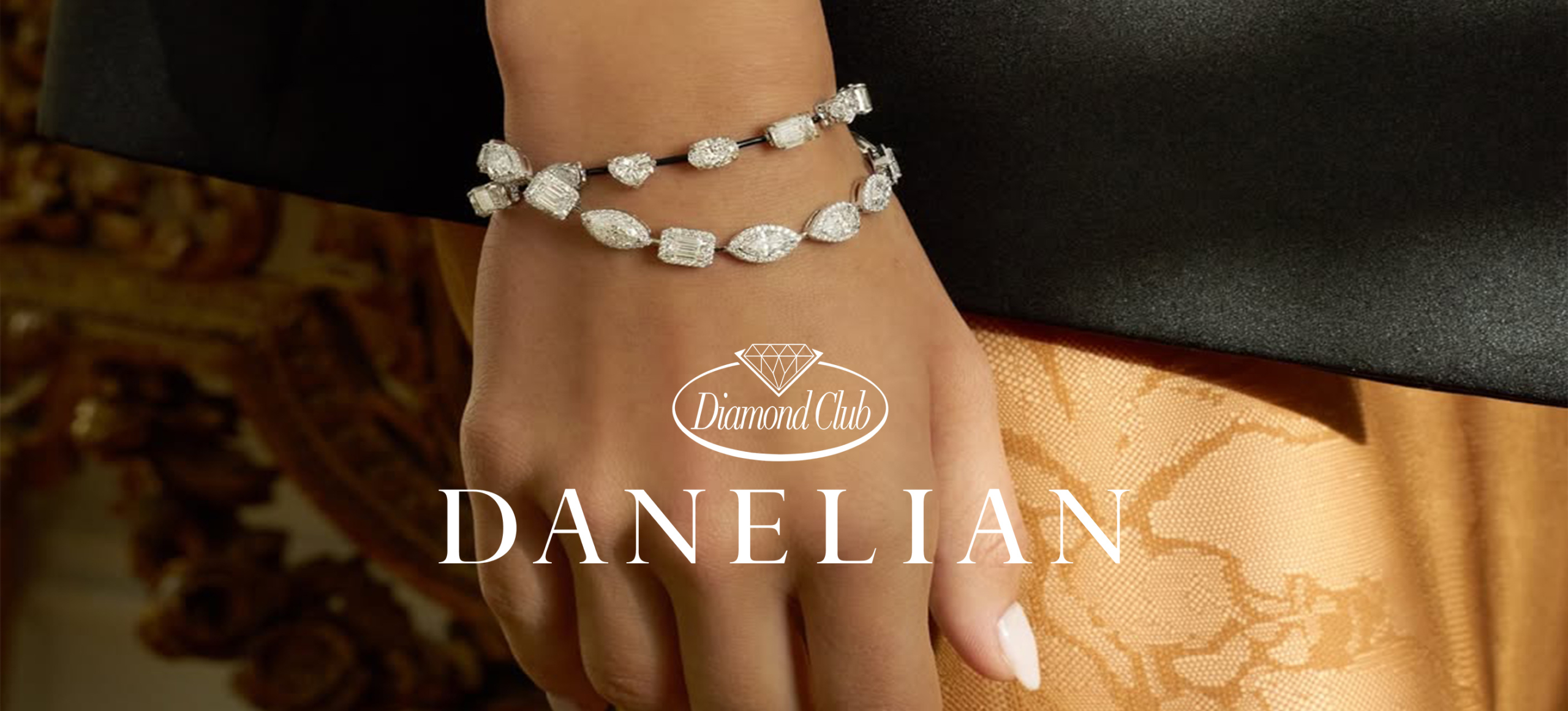
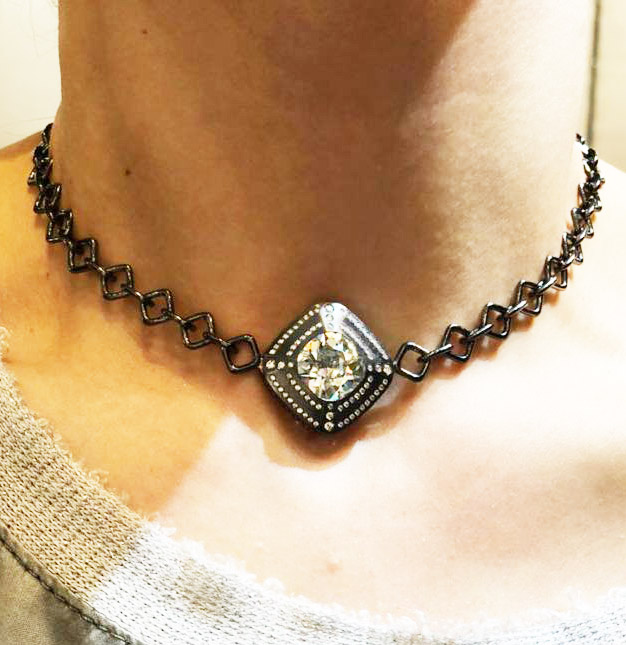
Our three faceted Danelian bracelet went to Florence for the week-end and got you this pic :)

TAGS /
08

versace danelian outfits @ the Met!

Oh this year’s Met Gala was so much more than what expected!
Themed from the barock ‘style’ of the catholic church, the red carped was full of velvet, crosses and diamonds!
The Gala was curated by Donatella versace so as expected the outfits were spectacular!

Our favourite entry was the stunning Greek lady Kalliroy Danalis ,
our friend and Danelian Diamond Club exquisite clientele.

Her stunning gown was personally designed by Donatella.

04

Helena christensen Danelian muse!

So this beauty, the famous 90’s mega super model Helena Christensen was the face of our campaign some years ago.


And we just found this memorabilia story about our photoshoot in our archive from Hello Magazine
and thought it would be really cool to share it with you all!

Legs for days, wearing Danelian Diamond Club from head to toe, Helena was our perfect cover girl for that year!
Irini, Barbara and Myrto, we were all there working with her for what is until today one of our most
fabulous Danelian campaigns!

30

my personalized D diamond

This trend is here to stay!
More and more, our clientele is very fond of custom made personalised diamond pieces.
And we love it! It honors our passion for unique pieces and taking care of every one of you specially.

Drop by for a fitting, choose your shape, give us your name <3
We’ll turn it into a art ;)

TAGS /
29

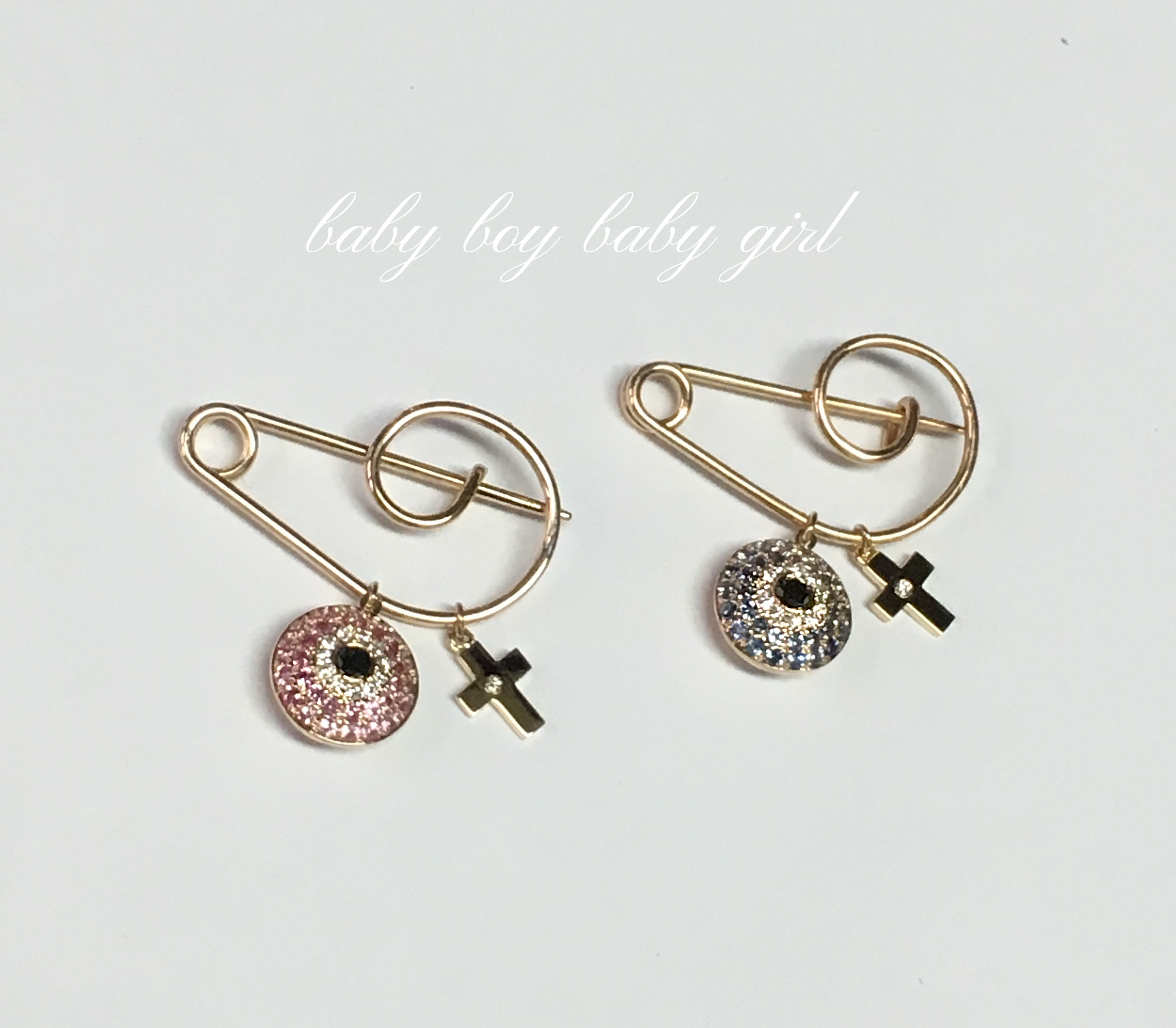
it’s baptism time!

It is that time of the year!
Our small angels are getting baptised.
Boys and girls deserve a celebration of them landing here among us.

..And what better than a classic diamond cross that will last him a lifetime.

26

The Art of Diamond Cutting

We wish to take a moment with you and share fascinating information on how a diamond is cut!

The process of sculpting a rough diamond and transforming it into a polished diamond. To find a rough diamond that allows the cutter to end up with a stone over 50 carats is a very rare discovery and to cut a perfect diamond over 50 carats is truly a masterpiece of both nature and man.

With a single glimpse at any sculptural masterpiece such as Michelangelo’s “Pieta” or Rodin’s “The Kiss“, the observer is instantly left astonished by the raw power of form and emotion these magnificent figures impart. Through a slow and deliberate process, these master sculptors unlocked the inner beauty of the stone, slowly releasing a dimensional form and ultimately liberating the form from within a single block of material. Just as these artists painstakingly studied their dimensional canvases to craft dynamic forms, so to do diamond cutters as they cut away sections of the diamond and then polish it to reveal its inner brilliance and innate value.

Perhaps not often associated with the art of sculpting, diamond cutters are highly skilled sculptors in their own way. Through years of experience, a scholarly understanding of geology, patience and concentrated precision, these artisans have hatched the most dazzling gems in existence.

In 1375 the first guild of diamond cutters and polishers was established in Nuremberg, Germany. Called the Diamantaire, the guild developed various types of “cuts”: the shape and the quality of cut within the diamond.

Typically, round and square brilliant cuts are preferred when the crystal is an octahedron, as often two stones may be cut from one crystal. Oddly shaped crystals, such as macles are more likely to be cut in as a fancy cut. Secondly, weight retention analysis must be assessed to find the best combination of the finished stone and how it relates to per carat value. Even with modern techniques, cutting and polishing a diamond always results in dramatic weight loss, about 50%. Finally, colour retention is studied in the rough as it will influence the colour grade of the diamond, either increasing or decreasing its value.

Once the diamond is assessed and the cutter commits to a blueprint, the first step is to cleave or saw the rough into separate pieces to be completed as separate gems. Bruting is the process where a diamond cuts a diamond; two diamonds are set onto spinning axels turning in opposite directions, which are set to grind against each other to shape each diamond into its intended shape. Once the diamond begins taking shape, the cutter then polishes the diamond, cutting facets onto the diamond whereby unlocking its inner brilliance. Finally, the diamond is cleaned using acids, followed by a thorough examination process to grade its cut, colour, clarity and carat weight.

Today, diamond cutting is concentrated in a few cities around the world. From diamond trading centers such as Antwerp and Tel Aviv to processing centers and finally to places like New York City where a majority of the most important diamonds in the world are cut, these cities hold the artisans that unlock a diamond’s inner beauty;
a beauty that has inspired emotion for thousands of years. Inspired by Sotheby’s

21

Timeless

Some things in life are timeless classics.
Walking the streets of Paris during Spring time.
The little black dress and n shoes.
A refined curvy diamond bracelet, matched with a classic nude.

TAGS /